
Best Supplements for Energy Without Jitters or Crash in 2026
Editorial Team
Table of Contents
- Why Energy Supplements Fail: The Jitters and Crash Cycle
- Signs of Vitamin Deficiency Causing Fatigue You Shouldn't Ignore
- Natural Energy Boosters Without Caffeine: Do They Work?
- Top Supplements for Energy Without Jitters or Crash: Our 2026 Picks
- How to Choose Safe Energy Supplements: A Buyer's Checklist
- Which Energy Supplement Fits Your Routine?
- Final Verdict on Sustained Energy
- Frequently Asked Questions
Last Updated: September 5, 2026
Why Energy Supplements Fail: The Jitters and Crash Cycle
The search for the best supplements for energy without jitters or crash 2026 usually starts after one too many bad experiences with standard energy drinks or pre-workouts. The pattern is familiar: a rapid spike in alertness, followed by a racing heart, sweaty palms, and then a sudden collapse in energy a few hours later.
Many formulas prioritize a quick hit over sustained cellular energy production, flooding the bloodstream with caffeine without balancing agents like L-theanine. At Global Wellness Alliance, our editorial team focuses on formulations that support steady focus and physical endurance without metabolic whiplash.
Signs of Vitamin Deficiency Causing Fatigue You Shouldn't Ignore
Before adding any new supplement, rule out a micronutrient deficiency, a common root cause of persistent tiredness. If you are constantly exhausted despite sleeping seven to eight hours, low iron, vitamin D, or B12 could be the culprit.
Many people assume they need a stimulant when their body is signaling a lack of specific nutrients. Magnesium plays a critical role in muscle function and relaxation, and a deficiency can make you feel physically heavy and lethargic. If you suspect a deficiency, a blood panel to check serum ferritin and vitamin status is a more effective first step than buying another energy product.
The Overlooked Link: Prescription Medications and Nutrient Depletion
A significant number of chronic fatigue cases are caused by the nutrient-depleting effects of common prescription medications, not poor diet alone. If you are taking any of the following, your fatigue may be a side effect of drug-induced nutrient depletion.
- Metformin (for type 2 diabetes): Long-term use is associated with reduced B12 absorption, which can lead to peripheral neuropathy and fatigue (peer-reviewed research). A yearly B12 level check is a reasonable request for anyone on this medication for more than a few years.
- Proton Pump Inhibitors (PPIs) like omeprazole: These reduce stomach acid, which is necessary to absorb B12, magnesium, and iron. Chronic use can silently lower these levels over months.
- ACE inhibitors and angiotensin receptor blockers (for blood pressure): These can increase potassium retention and may deplete zinc, which plays a role in immune function and cellular metabolism.
- Oral contraceptives: These are known to deplete magnesium, B6, and folate, which are all directly involved in energy production and mood regulation.
How Deficiency Symptoms Differ from Stimulant Overuse
It is easy to confuse deficiency symptoms with the side effects of too much caffeine. The table below helps distinguish the two.
| Symptom | Likely Deficiency | Likely Stimulant Overuse |
|---|---|---|
| Shortness of breath on stairs | Iron (ferritin below 30 ng/mL) | Rarely; more often palpitations |
| Brain fog that worsens by afternoon | B12 or folate | Caffeine withdrawal between doses |
| Muscle cramps at night | Magnesium | Dehydration from diuretic effect of caffeine |
| Feeling tired but wired at bedtime | Vitamin D (low sun exposure) | Caffeine half-life of 5-6 hours disrupting sleep architecture (the FDA) |
The Right Blood Tests to Request
If you suspect a deficiency, do not rely on a standard CBC alone. Ask for a more targeted panel that includes:
- Serum ferritin (not just hemoglobin), ferritin below 30 ng/mL is considered absolute iron deficiency even if hemoglobin is normal.
- Vitamin B12 and methylmalonic acid (MMA), MMA is a more sensitive marker for functional B12 deficiency.
- 25-hydroxy vitamin D, levels below 20 ng/mL are deficient; many practitioners recommend 30-50 ng/mL for optimal energy.
- Magnesium RBC (red blood cell), serum magnesium only reflects about 1% of total body stores; the RBC test is more accurate for chronic deficiency.
When Supplementation Alone Is Not Enough
If your blood work comes back normal but fatigue persists, the issue may not be nutritional. Sleep apnea, thyroid dysfunction (especially subclinical hypothyroidism with TSH above 2.5), and depression are common causes of fatigue that no energy supplement will fix. In these cases, the most effective "supplement" is a proper medical workup, not another bottle of adaptogens.
Natural Energy Boosters Without Caffeine: Do They Work?
For those sensitive to caffeine or looking for a later-day boost, natural energy boosters without caffeine can be highly effective, provided they target the right biological pathways. These ingredients work by supporting how your cells convert nutrients into adenosine triphosphate, the body's primary fuel source.
Ingredients like Lion's Mane and Cordyceps are increasingly studied for supporting mental clarity and physical endurance. Adaptogenic herbs like Ashwagandha help modulate the body's stress response, which is critical because chronic stress is a major energy drain.
Top Supplements for Energy Without Jitters or Crash: Our 2026 Picks
We have evaluated dozens of formulas to find supplements that deliver "clean" energy, meaning they support alertness and stamina without overstimulation. Our 2026 picks prioritize ingredients with clinical evidence, appropriate dosages, and transparent labeling.
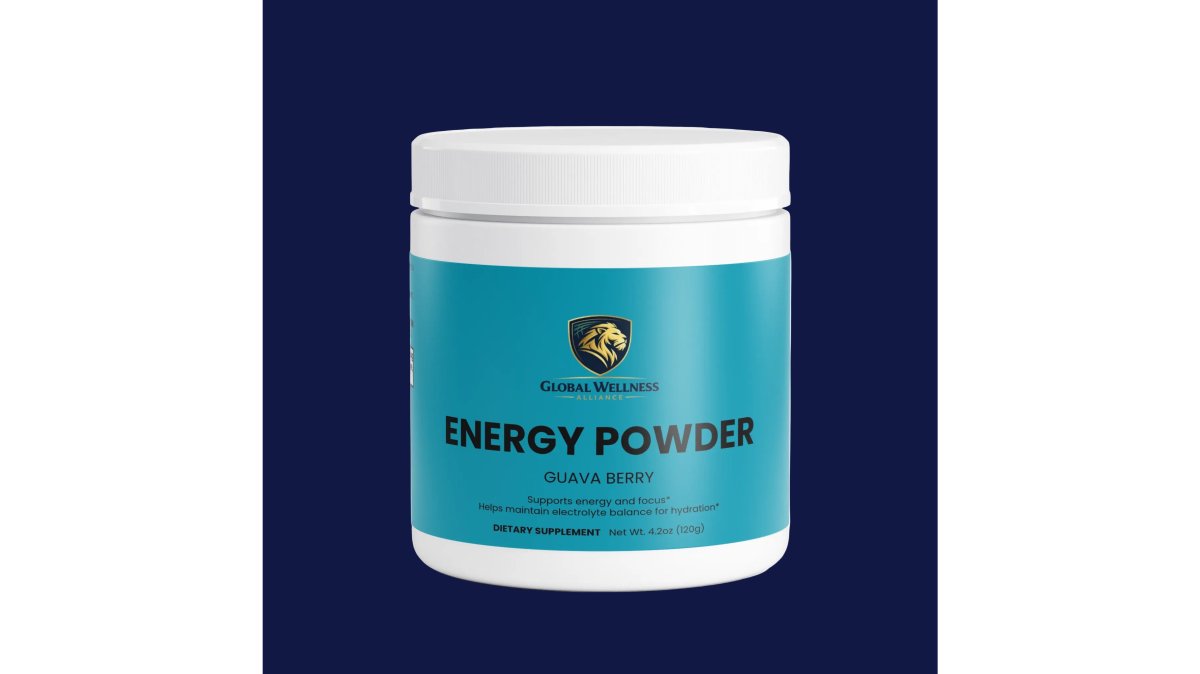
Best for Smooth Focus: Energy Powder (Guava Berry)
Our top pick for an active lifestyle is the Energy Powder in Guava Berry, priced at $34.99. This formula pairs natural caffeine from green tea with L-theanine, a combination well-regarded for promoting calm alertness.
It also includes a full spectrum of B-vitamins and essential electrolytes to support hydration and nutrient absorption. Unlike sugary energy drinks that cause a rapid spike, this powder is sugar-free and designed for sustained energy release.
Best for Cognitive Drive: Mushroom Energy & Cognition Drops
For those who need to maintain high-level mental performance without feeling wired, the Mushroom Energy & Cognition Drops are the superior choice at $29.90. These drops combine Cordyceps and Lion's Mane extracts, traditionally valued for supporting vitality and normal cognitive function.
The inclusion of Alpha GPC and L-Tyrosine provides precursors for neurotransmitter balance, supporting memory and focus under stress. This caffeine-free option works well for high-stress workers and students who need to sustain concentration for hours.
Best for Cellular Power: Methylene Blue Drops
Methylene Blue Drops represent a more advanced, biohacker-oriented approach to energy, available for $59.00. This specialty supplement is studied for its role in supporting healthy mitochondrial function, helping your cells produce energy more efficiently.
This is not a quick fix but a daily wellness tool for those looking to support long-term cognitive and metabolic health. It is best suited for individuals already optimizing their sleep and diet but wanting to support cellular energy production at a foundational level.
How to Choose Safe Energy Supplements: A Buyer's Checklist
Selecting a safe and effective supplement requires looking beyond the marketing claims on the front of the jar. Evaluate the label against a few key criteria. The most important factor is supplement efficacy, determined by the form and dosage of the ingredients, not just their presence.
- Check for Methylated Vitamins: Look for B-vitamins in their active forms, such as methylcobalamin (B12) or pyridoxal-5-phosphate (B6), which are more bioavailable than synthetic versions.
- Evaluate the Stimulant Profile: If a product contains caffeine, check that it includes a calming agent like L-theanine to promote jitter-free focus.
- Look for Clinical Doses: Ingredients should be present at dosages used in placebo-controlled studies, not just "proprietary blends" that hide the exact amounts.
- Consider the Delivery System: Liquid drops often offer higher absorption rates than pressed capsules, while powders are versatile for pre-workout hydration.
- Research the Source: Choose brands that manufacture in the USA and provide transparent labeling regarding sourcing and testing.
The Real Difference: Synthetic vs. Methylated B-Vitamins
Most supplement labels list B-vitamins, but the form matters enormously for absorption and effectiveness. Synthetic folic acid requires several enzymatic conversions in the liver before becoming active folate. Up to 40% of the population has a genetic variant (MTHFR) that impairs this conversion.
Methylated forms, such as methylfolate (5-MTHF) and methylcobalamin (B12), bypass this conversion step entirely. If you see "folic acid" or "cyanocobalamin" on a label, you are getting the cheaper synthetic version, which may be less effective for a significant portion of the population.
Budget-Friendly vs. Premium Sourcing: What You Are Actually Paying For
The price difference between a $15 drugstore multivitamin and a $50 premium energy formula is not just markup. Here is what the extra money typically buys:
| Factor | Budget-Friendly | Premium |
|---|---|---|
| B-vitamin form | Synthetic (folic acid, cyanocobalamin) | Methylated (methylfolate, methylcobalamin) |
| Caffeine source | Synthetic caffeine or cheap coffee bean extract | Natural green tea extract with standardized EGCG content |
| Calming co-factor | Often absent | L-theanine at clinical doses (100-200 mg) |
| Mineral forms | Oxides (poorly absorbed) | Citrates, glycinates, or bisglycinates (highly absorbed) |
| Third-party testing | Rarely disclosed | NSF, Informed Choice, or USP certification visible on label |
| Excipients | Magnesium stearate, silicon dioxide, artificial colors | Minimal fillers, often organic or non-GMO verified |
Red Flags That Should Send You Back to the Shelf
Watch for these warning signs that indicate a low-quality or potentially unsafe product:
- Proprietary blends without individual dosages: If the label says "Energy Blend 500 mg" without listing each ingredient's amount, you cannot verify clinical doses. This is a common tactic to hide underdosed ingredients.
- Caffeine content over 200 mg per serving without L-theanine: This is a recipe for jitters and crash, not sustained energy.
- No third-party testing seal: Look for NSF Certified for Sport, Informed Choice, or USP verification (nsf.org). These programs test for banned substances and confirm label accuracy.
- Artificial dyes and sweeteners: Red 40, Yellow 5, and sucralose are unnecessary additives that offer no benefit and may cause sensitivity reactions in some people.
- Vague sourcing claims: "Proprietary extract" without a standardized marker compound (e.g., "standardized to 10% bacosides") means you cannot assess potency.
How to Verify a Brand's Claims Independently
Do not trust the marketing page. Take these steps to verify quality before purchasing:
- Check the Supplement Facts panel image, if the brand does not show it, that is a red flag.
- Search for the product on the FDA's recall list, a quick search can reveal past safety issues.
- Look for the Certificate of Analysis (COA), reputable brands will provide third-party lab results upon request or on their website.
- Read the "Other Ingredients" section, this is where cheap fillers hide.
The Bottom Line on Value
The cheapest option is rarely the best value, but the most expensive is not automatically superior. The right choice uses methylated B-vitamins (or at least discloses its forms clearly), includes clinical doses of active ingredients, and has third-party testing verification. For a simple caffeine + L-theanine + B-vitamin formula, $30-40 is reasonable. For a complex nootropic stack with multiple adaptogens and methylated vitamins, expect to pay $50-70.
Which Energy Supplement Fits Your Routine?
Choosing the right supplement depends entirely on your specific energy demands and daily schedule. The table below summarizes our recommendations based on different needs.
| Supplement | Price | Best For | Key Mechanism |
|---|---|---|---|
| Energy Powder | $34.99 | Pre-workout & daily focus | Caffeine + L-theanine balance |
| Mushroom Drops | $29.90 | Cognitive endurance | Adaptogens & nootropics |
| Methylene Blue Drops | $59.00 | Cellular energy support | Mitochondrial support |
If your primary goal is physical endurance during a workout, the Energy Powder is the clear winner due to its electrolyte content and balanced caffeine. For a long day of meetings or studying where you need mental clarity without caffeine sensitivity, the Mushroom Energy & Cognition Drops are more appropriate. Those looking for a foundational supplement to support overall vitality might find the Methylene Blue Drops to be the most strategic investment.

Final Verdict on Sustained Energy
The best supplements for energy without jitters or crash in 2026 are those that respect your body's natural rhythms and support cellular health rather than force a synthetic spike. The most effective strategy involves addressing potential nutrient gaps, choosing formulas with balanced ingredients, and aligning your intake with your circadian rhythm.
Global Wellness Alliance was founded to provide trusted wellness solutions that support your body, mind, and daily performance. We understand that reclaiming your vitality is a journey, which is why our products are born from personal experience with recovery and wellness. Start with the Energy Powder for a balanced daily lift, or explore the Mushroom Energy & Cognition Drops for caffeine-free cognitive support.

Frequently Asked Questions
What is the best supplement for energy without jitters?
The best choice depends on your needs, but formulas pairing caffeine with L-theanine, like our Energy Powder, are proven to smooth out the stimulant curve. For a caffeine-free route, adaptogens like Ashwagandha Plus or functional mushrooms such as Lion's Mane offer steady support. Look for ingredients with clinical evidence for cognitive performance and avoid proprietary blends that hide low doses.
Do natural energy boosters without caffeine actually work?
Yes, when they target the root cause of fatigue. B-complex vitamins and iron address micronutrient deficiency, while adaptogenic herbs like ashwagandha help manage stress-related tiredness. CoQ10 and NAD+ support mitochondrial function for cellular energy production. These ingredients do not create an immediate spike but build sustained energy over days or weeks, unlike the quick hit from a high-caffeine drink.
What are the signs of vitamin deficiency causing fatigue?
Persistent tiredness despite adequate sleep is the main red flag. Other clues include brain fog, weakness, and shortness of breath on stairs, which can point to low iron or serum ferritin levels. Low B12 often shows up as tingling in the hands or feet. A simple blood test from your doctor can identify these deficiencies so you can target the right supplement rather than guessing.
How do I avoid the crash when taking energy supplements?
Avoid products with high doses of isolated caffeine and no balancing agents. Choose formulas that include L-theanine, which promotes calm focus, or opt for sustained-release ingredients. Start with a half serving to assess tolerance, and never exceed the recommended dose. Also check labels for interactions if you take prescription medication, as some stimulants and herbs can alter drug metabolism.
Finding the right energy support is about working with your body, not against it. We encourage you to look at your lifestyle holistically, focusing on sleep and nutrition first. When you need a reliable partner in that effort, our curated supplements are here to help you perform at your best. Continue shopping for solutions that support your resilience.
This article was written using GrandRanker